Books
The trilogy and the two volumes that accompany it. All published in Portuguese.
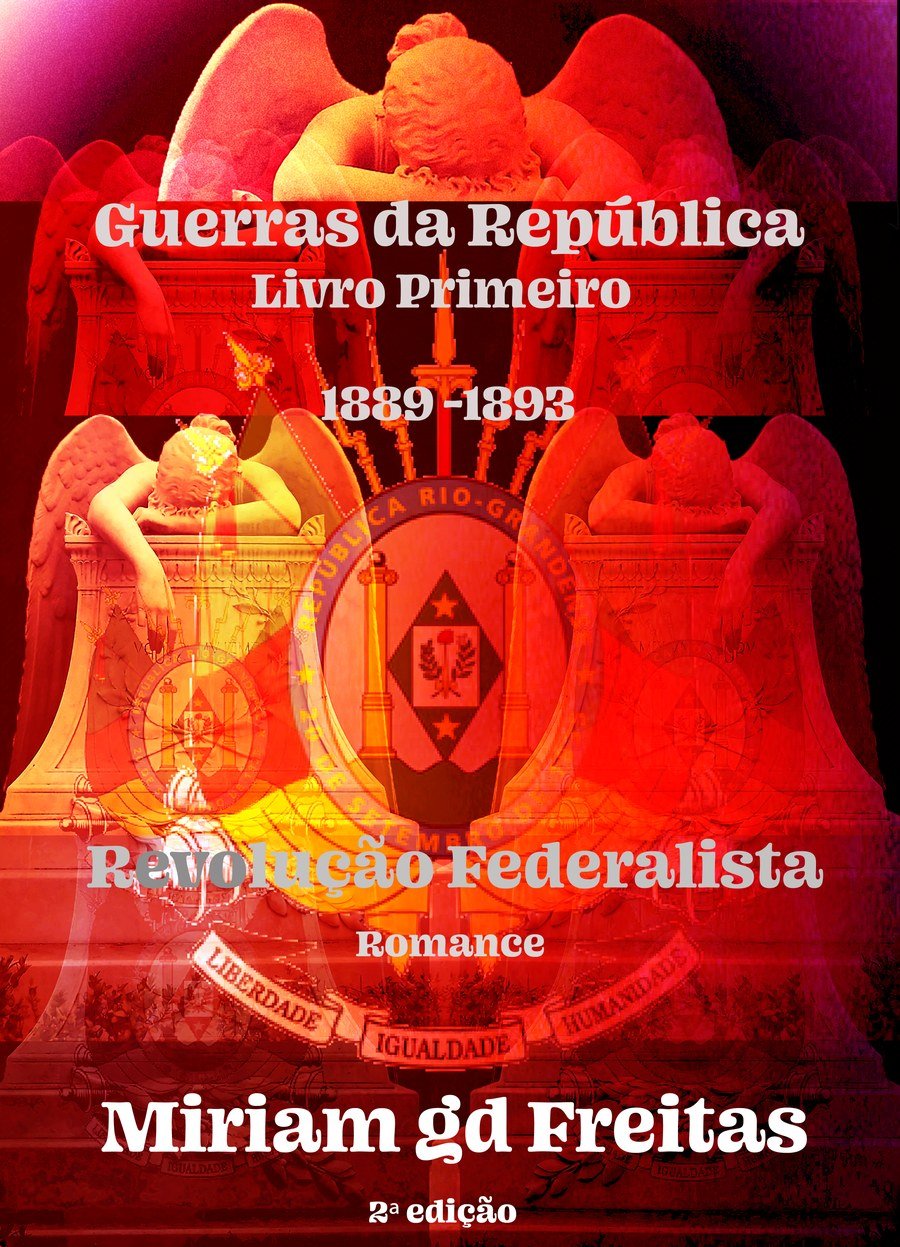
Guerras da República
Book One, 1889-1893: the Federalist Revolution
A story of struggles and loves, betrayals and loyalties, dreams and reality amid ideas and ideals, in a tragic time in Rio Grande do Sul. The first chapter is called A Trap of Ideals. Second, revised edition.
Buy on Amazon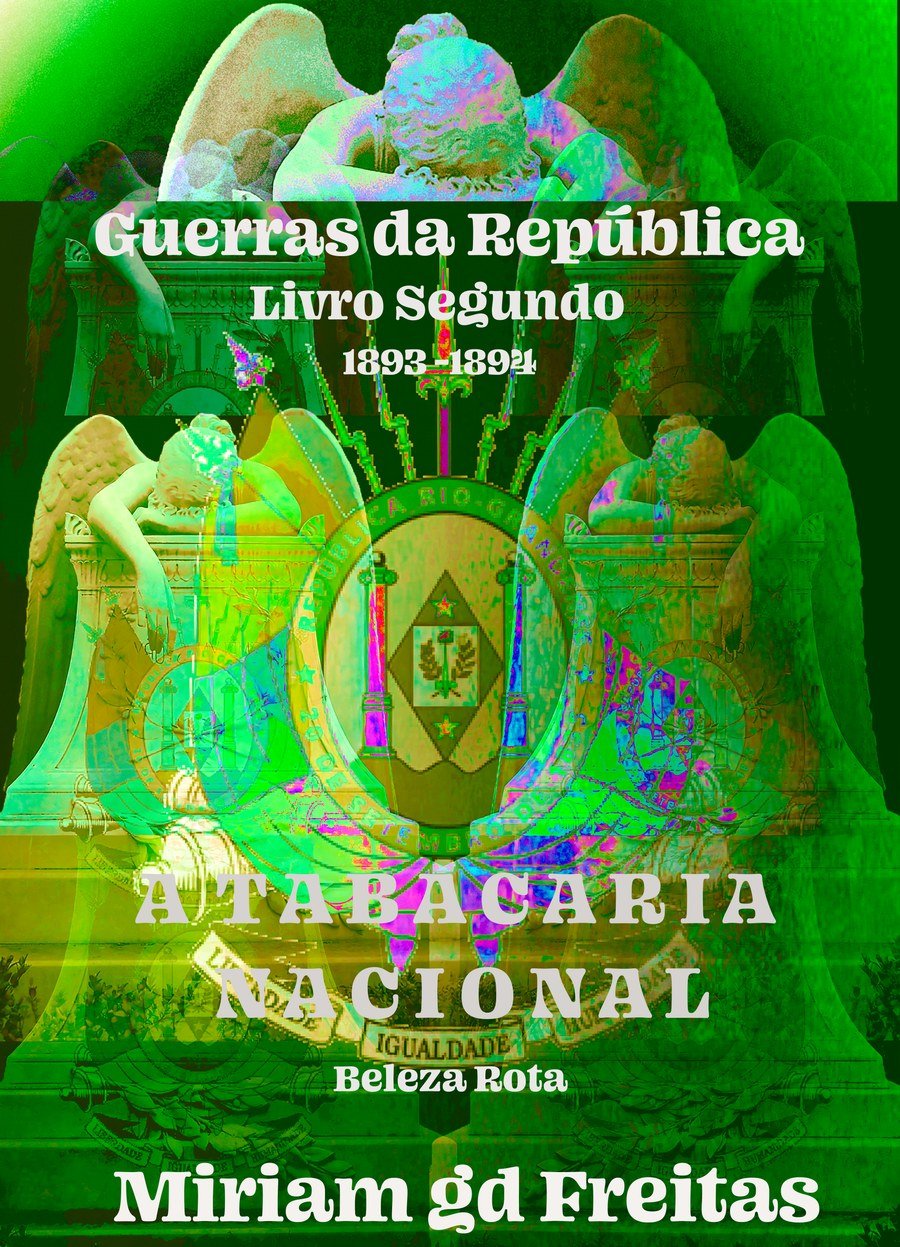
A Tabacaria Nacional
Guerras da República, Book Two, 1893-1894
The title comes from Fernando Pessoa's Tobacco Shop; the subtitle, Beleza Rota — broken beauty — is an anagram of A Bertoleza, the enslaved woman of Aluísio Azevedo's O Cortiço, published in 1890, the Republic's first year, two years after abolition. Between 1893 and 1894 the Federalist Revolution crosses Rio Grande do Sul and Santa Catarina.
Buy on Amazon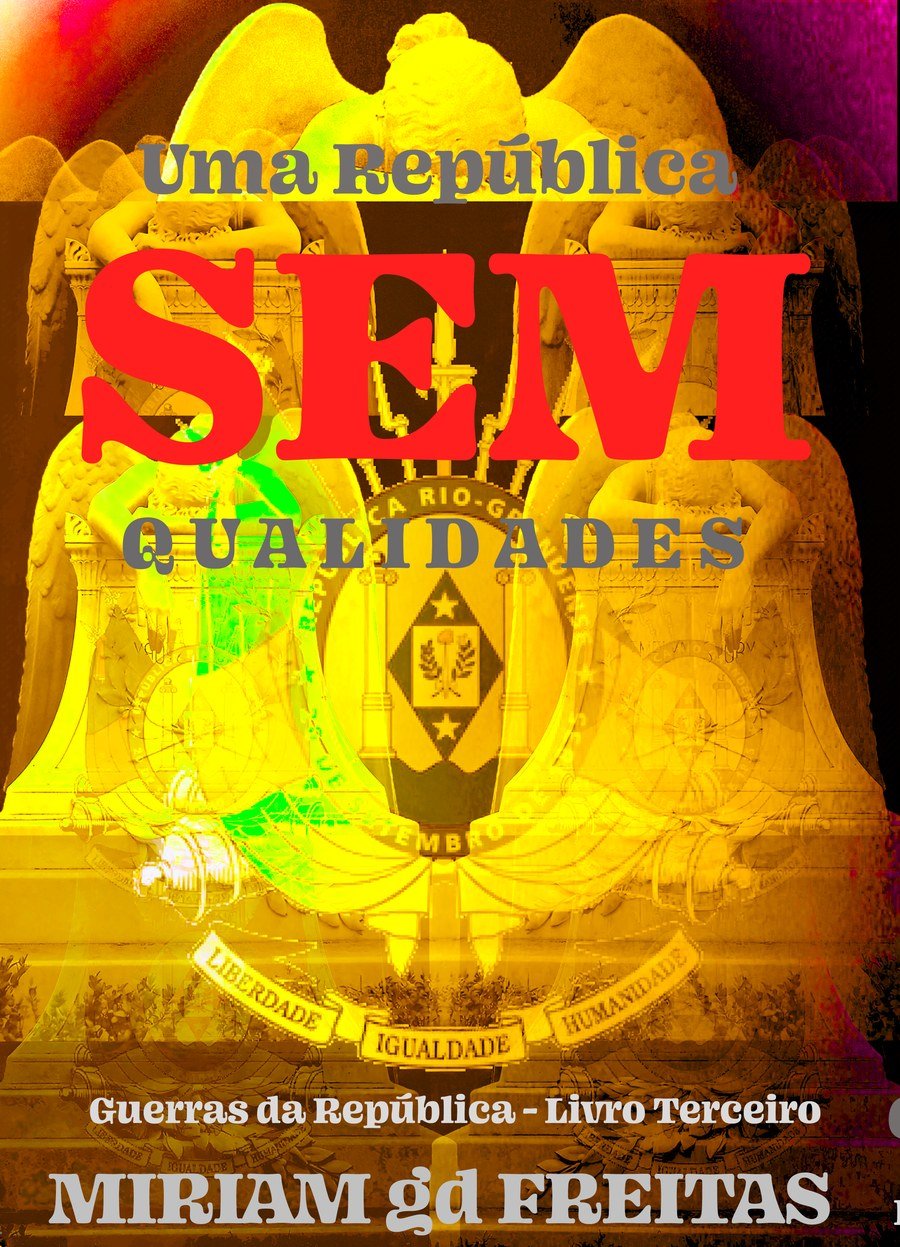
Uma República sem Qualidades
Guerras da República, Book Three, 1895-1916
In November 1889 the Brazilian elite was dancing at the last ball of the Empire, on Ilha Fiscal, and the country woke up a Republic. Twenty-seven years later, in the middle of the First World War, almost nothing they had been promised had come to pass. The title answers Robert Musil: like the man without qualities, the Republic settles into the abyss between the grand possibilities the new regime promised and what was made of it.
Buy on Amazon
Noventa e três & Walter Benjamin
Our Vendée, 1793-1893, in partnership with Euclides da Cunha
Euclides da Cunha called Canudos our Vendée. The phrase is a dialectical image in Walter Benjamin's precise sense, and this book takes it as its thread. If France made its revolution in 1789 and Brazil in 1889, then the Vendée of 1793 has its correspondence in 1893.
Abstract & overviewBuy on Amazon
Um Affair de Antiquários
Fractals of a tale & poems
Antiquities and phantasmagorias of a nineteenth-century capital. Two antiquarians lean over a marble table to decipher splinters: a pomander with a bronze key, the birds of Stymphalus, a nameless woman erased by official history. Prose and poems alternating.
Buy on Amazon